Policy and legislation
Legal and policy frameworks that respect human rights are essential to guarantee access to safe and legal abortion. This petal highlights the importance of advancing, implementing, and upholding laws that protect the rights of women and all people with the capacity to conceive—ensuring that abortion is not only legally recognized, but meaningfully accessible. In 2024:
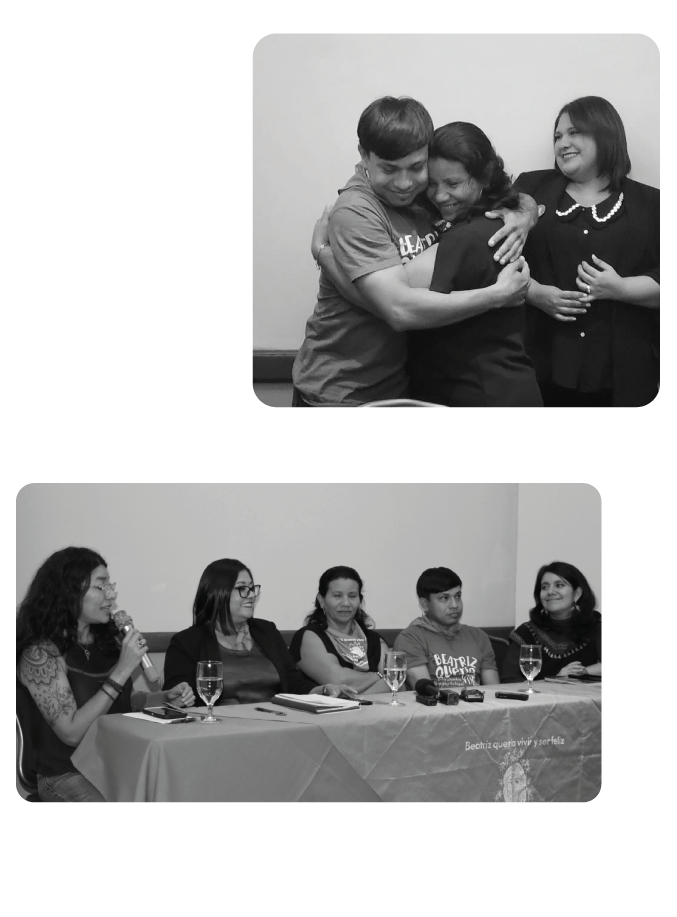
1. Ipas LAC played a key role as one of the collitigating organizations in the Beatriz v. El Salvador case. We contributed our clinical and legal expertise to the design of the defense strategy for the case. We coordinated the amicus curiae strategy , which allowed for unprecedented participation of expert staff and global, regional and national institutions who contributed solid arguments to support the defense of the right to access abortion.
We also monitored the publications and strategies of anti-choice opponents, which allowed the regional feminist movement to act strategically by disseminating evidence-based information on the implications of the criminalization of abortion. We obtained a favorable ruling in the case condemning El Salvador for the human rights violations of Beatriz and her family.
We also monitored the publications and strategies of anti-choice opponents, which allowed the regional feminist movement to act strategically by disseminating evidence-based information on the implications of the criminalization of abortion. We obtained a favorable ruling in the case condemning El Salvador for the human rights violations of Beatriz and her family.

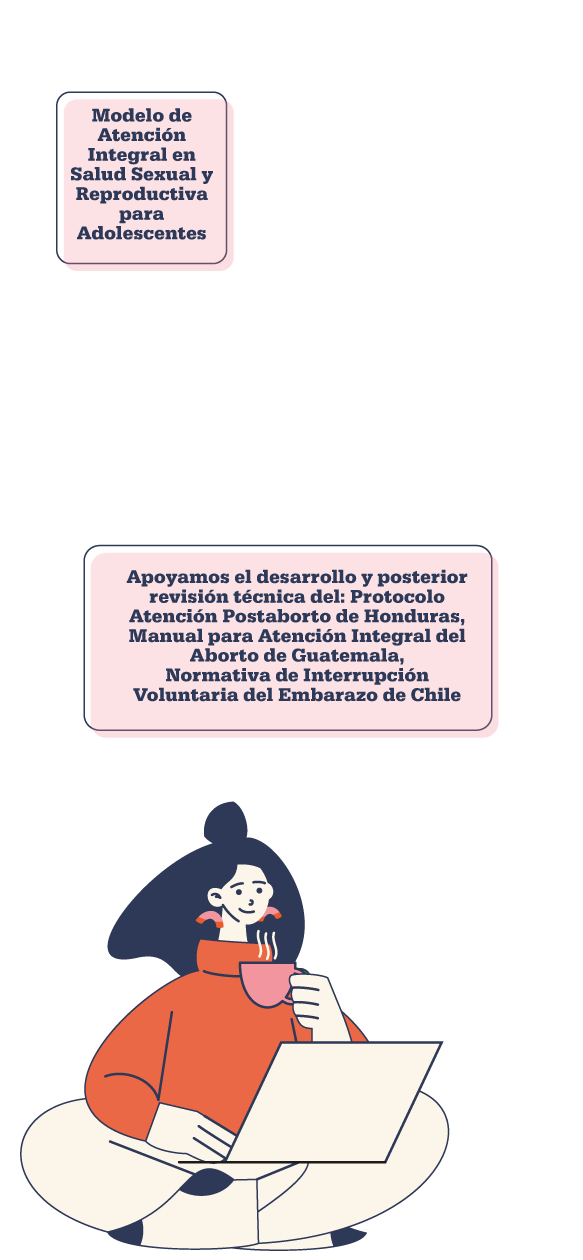
2. We supported the development of the Model of Comprehensive Sexual and Reproductive Health Care for Adolescents, developed by the Mexican Ministry of Health, by providing technical and clinical feedback. This support was provided to ensure the high quality of the document, its basis in scientific evidence and its alignment with adolescents' rights to health care.
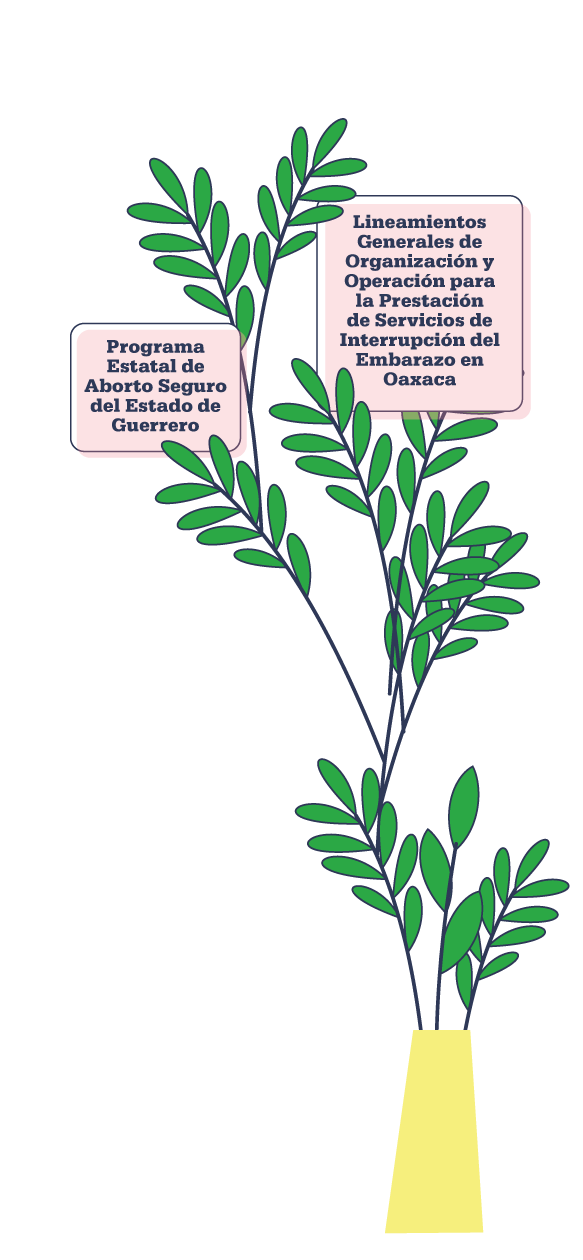
3.We participated in the development of the General Guidelines for the Organization and Operation of Pregnancy Termination Services in Oaxaca, Mexico, providing feedback to health authorities on the areas of improvement identified, both in legal and clinical aspects.
3. We collaborated in the development of the Safe Abortion State Program of the State of Guerrero through technical and legal contributions. These ensured a framework of sexual and reproductive rights, as well as updated clinical recommendations. The state program was published in the Official Gazette of the Government of the State of Guerrero, and we attended its official presentation with decision-makers.
4. We participated in the update of Mexico's NOM- 005 on contraception and the Midwifery Standard, with the aim of ensuring its alignment with WHO guidelines regarding person-centered abortion care.
5. We supported the development and subsequent technical review of the Postabortion Care Protocol of Honduras, the Manual for Comprehensive Abortion Care Guatemala's Manual for Comprehensive Abortion Care, the Chile's Regulations for the Voluntary Interruption of Pregnancy in Chile in order to ensure that their clinical content was up to date and based on the best scientific evidence.
6. We supported the revision of the Bill for the Decriminalization of Termination of Pregnancy for Cause in Costa Rica.
3.We participated in the development of the General Guidelines for the Organization and Operation of Pregnancy Termination Services in Oaxaca, Mexico, providing feedback to health authorities on the areas of improvement identified, both in legal and clinical aspects.
3. We collaborated in the development of the Safe Abortion State Program of the State of Guerrero through technical and legal contributions. These ensured a framework of sexual and reproductive rights, as well as updated clinical recommendations. The state program was published in the Official Gazette of the Government of the State of Guerrero, and we attended its official presentation with decision-makers.
4. We participated in the update of Mexico's NOM- 005 on contraception and the Midwifery Standard, with the aim of ensuring its alignment with WHO guidelines regarding person-centered abortion care.
5. We supported the development and subsequent technical review of the Postabortion Care Protocol of Honduras, the Manual for Comprehensive Abortion Care Guatemala's Manual for Comprehensive Abortion Care, the Chile's Regulations for the Voluntary Interruption of Pregnancy in Chile in order to ensure that their clinical content was up to date and based on the best scientific evidence.
6. We supported the revision of the Bill for the Decriminalization of Termination of Pregnancy for Cause in Costa Rica.

7. We contributed to the progress towards the total decriminalization of abortion in Mexico City by providing key support to the Congressional Commission on Gender Equality, which for the first time in the history of the country issued a favorable opinion on an initiative in this regard. Ipas LAC participated in the presentation of the proposal, in collaboration with other civil society organizations, and submitted a letter of support.
8. We contributed with technical opinions on clinical and legal aspects for the update of the Mexican Official Standard NOM 020-SSA-2025 for health facilities and the recognition of midwifery in comprehensive maternal and neonatal care. For the first time in Mexico, this standard recognizes safe abortion provided by midwives in Mexico, within health services from a comprehensive reproductive health care approach.
8. We contributed with technical opinions on clinical and legal aspects for the update of the Mexican Official Standard NOM 020-SSA-2025 for health facilities and the recognition of midwifery in comprehensive maternal and neonatal care. For the first time in Mexico, this standard recognizes safe abortion provided by midwives in Mexico, within health services from a comprehensive reproductive health care approach.