
Health information
A flourishing sustainable abortion ecosystem relies on strong roots in data. This petal emphasizes the critical role of health information systems in identifying needs, designing evidence-based care models, and continuously improving the quality of abortion services. By collecting, analyzing, and using reliable data, we can ensure that services respond to real-world needs and drive progress toward more equitable, effective, and person-centered reproductive healthcare.
In 2024:
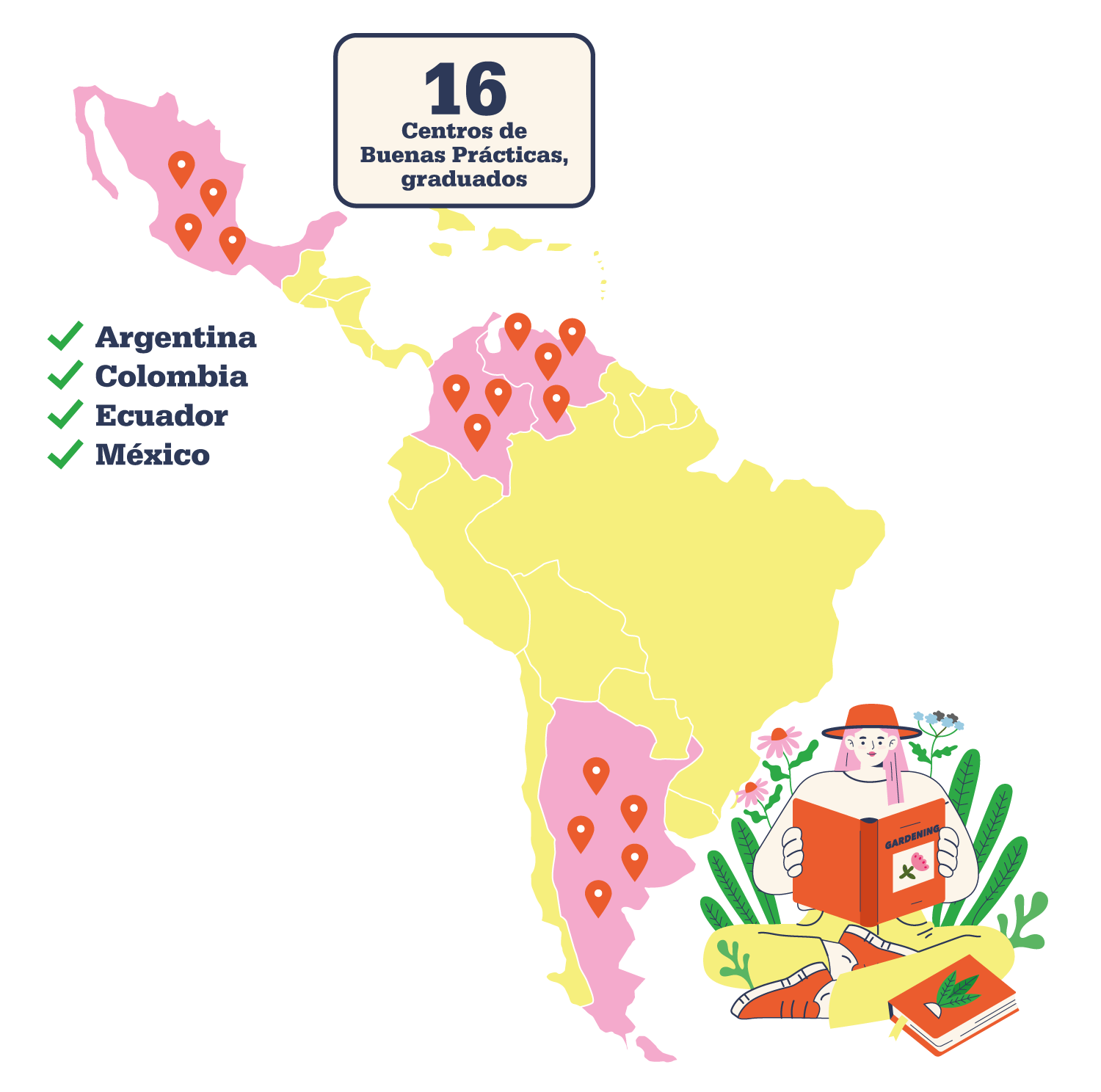
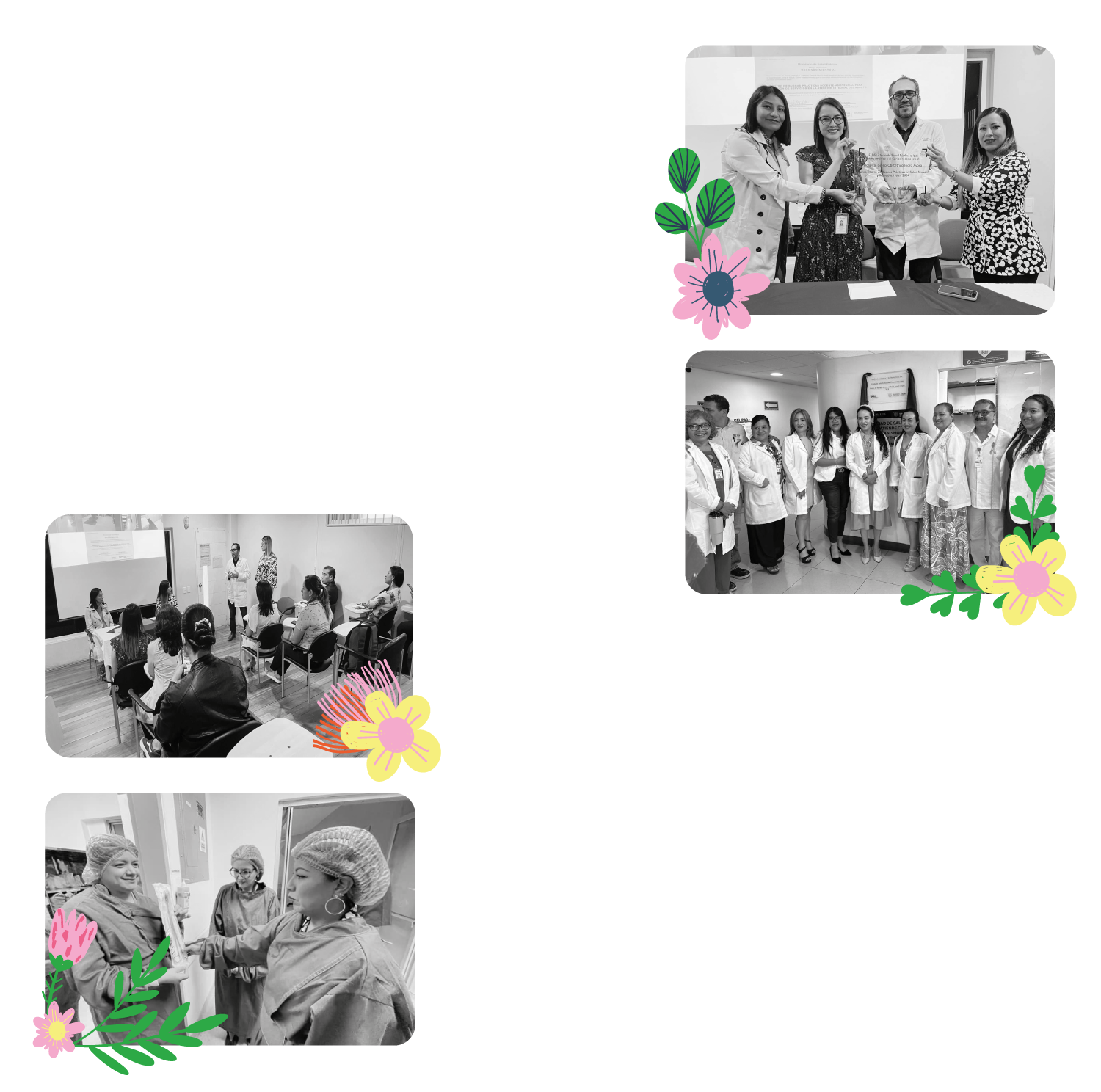
2. Part of our strategy of Good Practice Centers is to collaborate with the authorities of the health units in the analysis of the production of services to improve the quality of care, plan the needs of supplies and define the needs of human resources to better provide abortion services. During 2024, 16 Good Practice Centers were graduated throughout the region .
The most representative findings were:
The most representative findings were: