Health workforce and service delivery
A truly sustainable abortion ecosystem requires more than just services—it demands care that is accessible, rights-based, and rooted in compassion. This petal highlights the importance of having a well trained, adequately resourced health workforce that follows evidence-based clinical guidelines and delivers carefree from stigma and discrimination. Safe abortion for all can only be a reality when governments ensure that health systems are equipped, empowered, and responsive to the experiences, priorities, and needs of the communities they serve. In 2024:
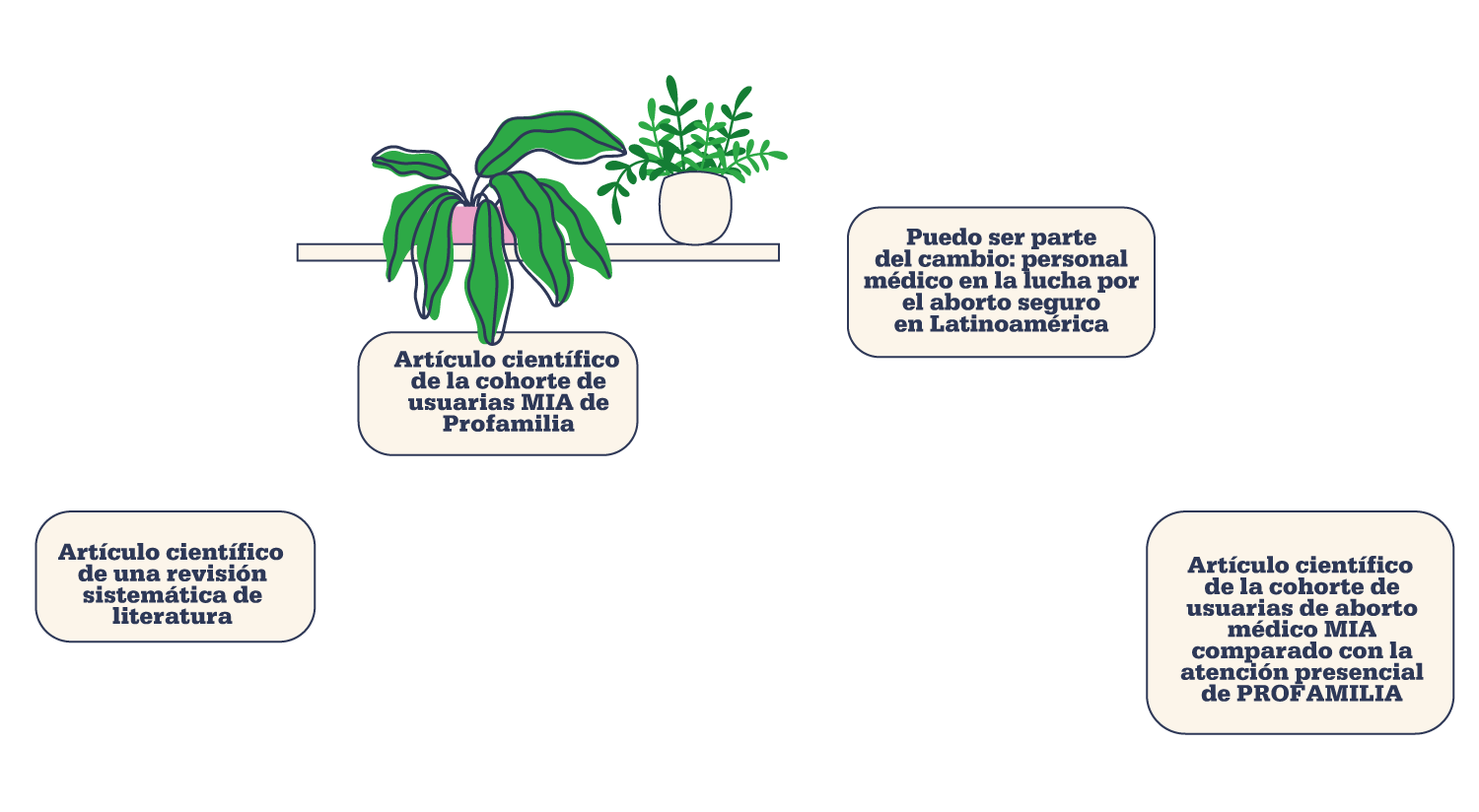

Asystole, for better quality abortion care and The timing of abortion: Terms and other key issues.
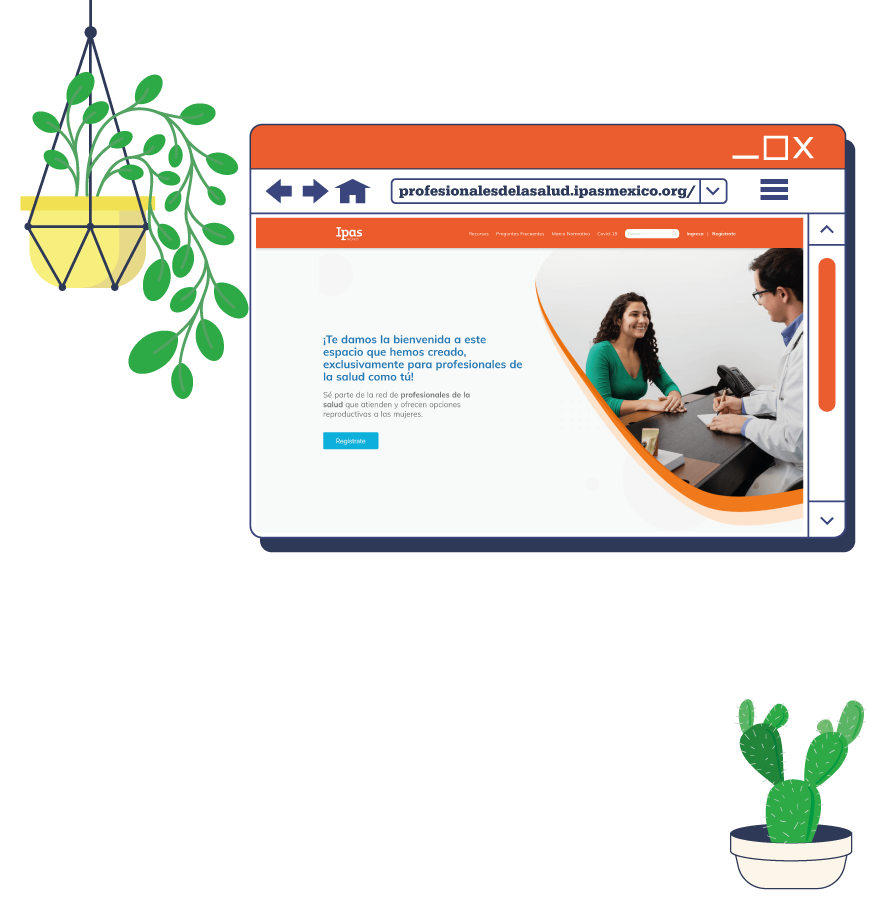
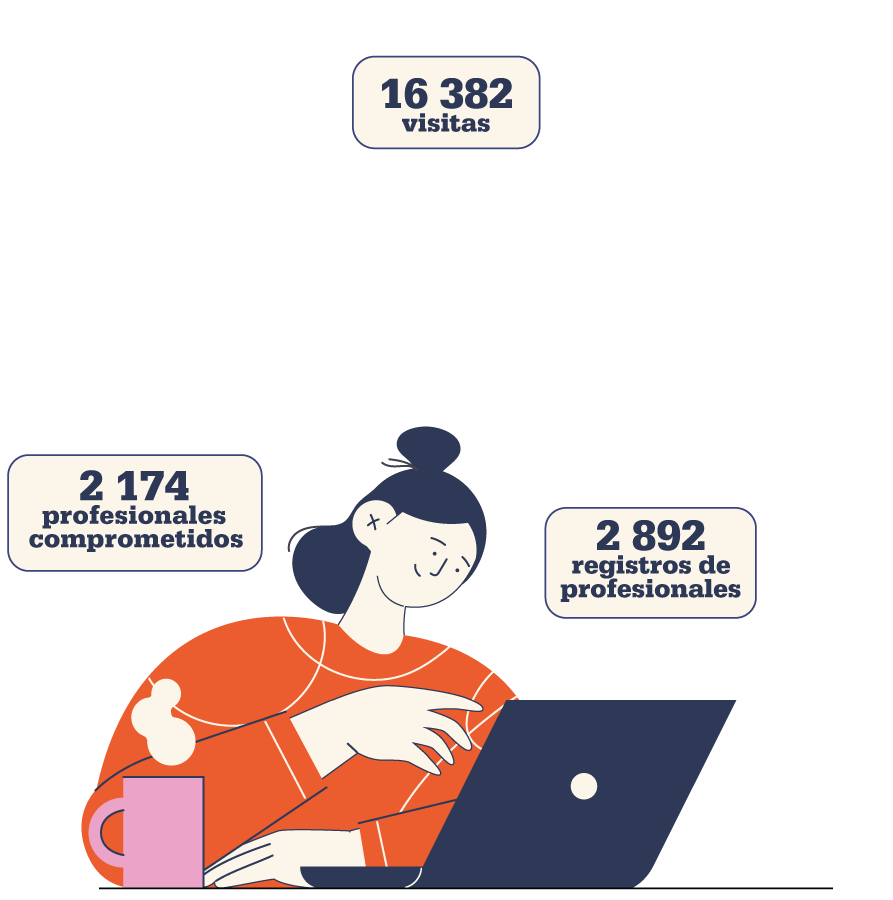
6. We recorded a total of 16,382 visits to our Web platform for health professionals, made by 2,892 people, mainly from Costa Rica, Ecuador, the United States, Mexico and Peru. Of these, 225 registered in the network of abortion providers, which, as of the end of 2024, had more than 2 174 professionals committed to the health of women and people with gestational capacity. This network received information to strengthen the provision of abortion and sexual and reproductive health services.
7. Regarding our work in technical and technological assistance for the development of digital tools on safe abortion, in 2024 we strengthened the virtual assistant ERA, created in collaboration with the Center for the Study of State and Society (CEDES). This chatbot provides reliable clinical and legal information on voluntary termination of pregnancy (VTP) and legal abortion (LTP). We collaborated in the updating of its contents and its presentation in key spaces, with the aim of expanding its use and reach among health professionals and decision makers.
8. We contributed to the approval of the decree that authorizes licensed obstetricians in Mendoza, Argentina, to prescribe mifepristone and misoprostol, a key step forward in strengthening access to safe abortion. This measure, promoted in collaboration with CEDES, updates the obstetric vade mecum and incorporates essential medicines for reproductive health care. In addition, it expands the competencies of this professional group, allowing the termination of pregnancy at the first level of care, in line with international standards. The decree also authorizes the placement of intrauterine devices and subdermal implants, as well as the request for complementary studies in sexual and reproductive health, thus guaranteeing more accessible and comprehensive care.
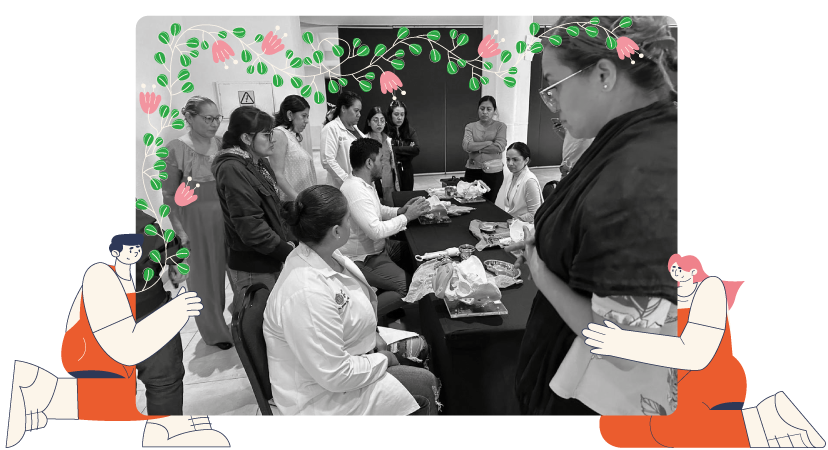
9. We designed the Guide for building resilience for people who accompany and provide abortion services, in order to support coping skills in the face of adverse experiences in the provision of services and accompaniment of safe abortion in contexts of risk, persecution and criminalization. This pilot workshop was attended by medical personnel and escorts from several Mexican states, as well as a representation of escorts from Central America. Attendees shared the challenges they face in providing and accompanying abortion services, as well as putting into practice and evaluating the tools and activities proposed in the Guide, which will become an input for countries in the region and other continents through Ipas nodes.
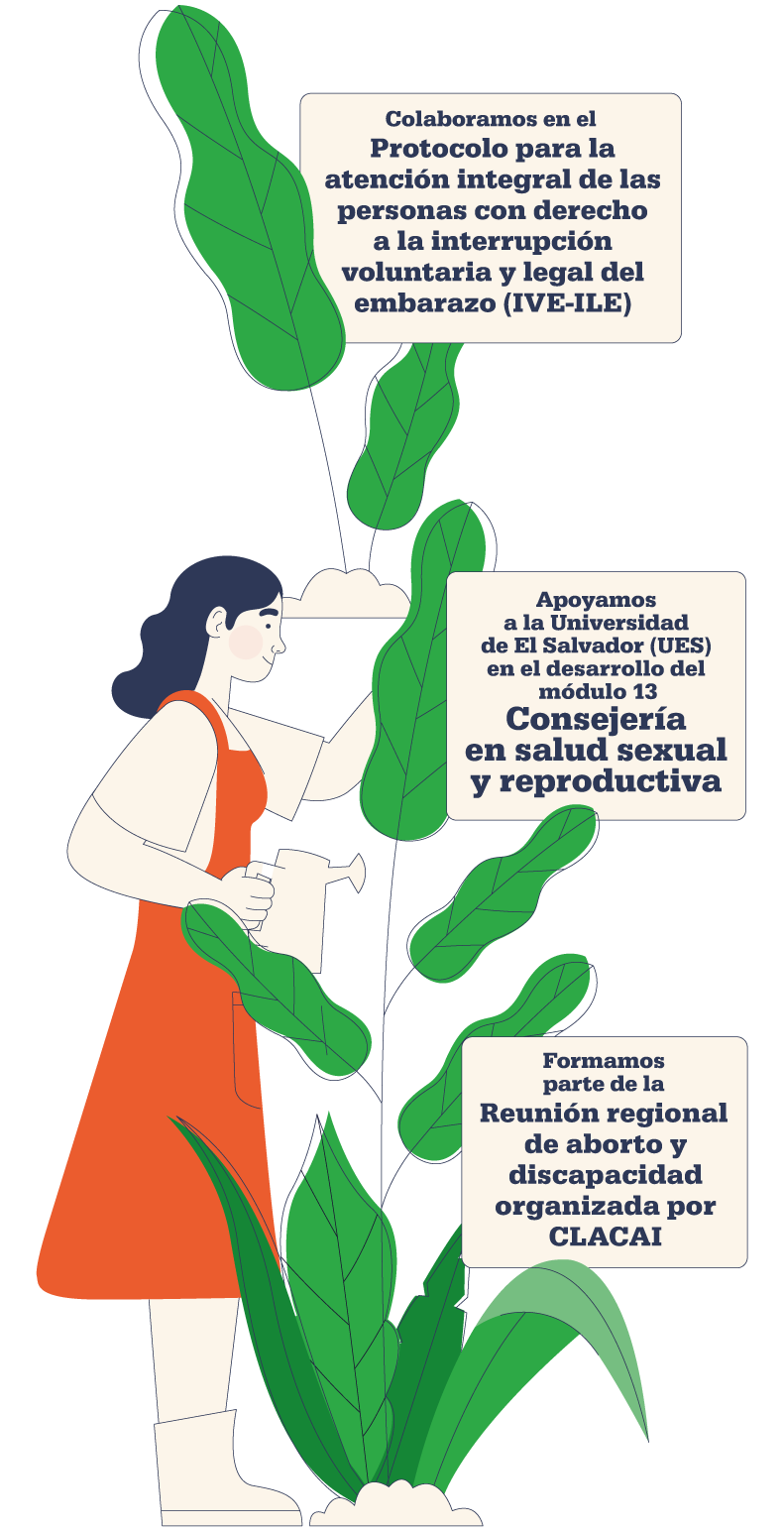
10. We collaborated in the preparation of the four quick reference booklets of the Protocol for the Comprehensive Care of Persons with the Right to Voluntary and Legal Termination of Pregnancy in Argentina.
11. We supported the University of El Salvador in the development of module 13: "Sexual and Reproductive Health Counseling" of the Master's program in Sexual and Reproductive Health Education and Promotion. In addition, an expert from Ipas LAC provided teaching support for this module.
12. We took part in the Regional Meeting on Abortion and Disability, organized by CLACAI and held in Lima, Peru, in order to visualize within our processes the specific needs of persons with disabilities seeking access to abortion.